G6PD Awareness Home

Category

Patient Advocacy & Cultural Trends

13 articles

Love, Vulnerability, and a Rare Condition: A G6PD Patient's Guide to Disclosure in Romantic Relationships

Love, Vulnerability, and a Rare Condition: A G6PD Patient's Guide to Disclosure in Romantic Relationships

Building a romantic relationship while managing G6PD deficiency raises questions that go far beyond medical logistics — it touches on vulnerability, trust, and the courage to be fully known by another person. This guide walks G6PD patients through the emotional and practical dimensions of disclosure, from early dating conversations to navigating the deeper expectations of committed partnerships. With communication strategies grounded in real experience, it offers a path toward relationships buil

Carrying the Weight: How G6PD Diagnosis Affects Mental Health and What Families Can Do About It

Carrying the Weight: How G6PD Diagnosis Affects Mental Health and What Families Can Do About It

A G6PD diagnosis does not only alter how a family manages food, medication, and medical appointments—it reshapes identity, relationships, and emotional well-being in ways that rarely get discussed in a clinical setting. Parents grapple with guilt over genetic inheritance, caregivers face chronic anxiety, and patients themselves often feel isolated by a condition few people around them understand. This article explores the psychological dimensions of living with G6PD deficiency and makes the case

Hidden in Plain Sight: How Ancestry and Systemic Bias Keep G6PD Testing Out of Reach for Millions of Americans

Hidden in Plain Sight: How Ancestry and Systemic Bias Keep G6PD Testing Out of Reach for Millions of Americans

For millions of Americans whose ancestry traces to regions where G6PD deficiency is most prevalent, a simple enzyme test remains frustratingly out of reach. Structural gaps in clinical practice, compounded by racial and ethnic blind spots in medicine, mean that countless patients carry a serious genetic condition without ever receiving a diagnosis. This article examines why the testing gap persists—and what patients can do to close it for themselves and their families.

Insured or Exposed? What G6PD-Positive Americans Need to Know Before Signing Any Insurance Application

Insured or Exposed? What G6PD-Positive Americans Need to Know Before Signing Any Insurance Application

For individuals living with G6PD deficiency, the insurance application process can feel like navigating a minefield of genetic disclosure, underwriting scrutiny, and privacy concerns. Understanding what insurers can legally ask, what federal and state protections apply, and how to advocate for fair treatment can mean the difference between comprehensive coverage and costly exclusions. This guide breaks down the landscape so G6PD-positive Americans can approach insurance decisions from a position

Breathless and Dismissed: How G6PD Deficiency Gets Mistaken for Anxiety and Panic Disorder

Breathless and Dismissed: How G6PD Deficiency Gets Mistaken for Anxiety and Panic Disorder

For many G6PD patients, the racing heart, dizziness, and breathlessness of a hemolytic crisis look deceptively similar to a panic attack—and clinicians unfamiliar with the condition often reach for the wrong diagnosis first. This article examines the mechanisms behind that diagnostic confusion, shares the experiences of patients who spent years chasing a psychiatric label, and offers concrete steps for advocating toward an accurate evaluation.

What Is G6PD Deficiency? A Plain-Language Starting Point for Newly Diagnosed Patients and Caregivers

What Is G6PD Deficiency? A Plain-Language Starting Point for Newly Diagnosed Patients and Caregivers

A diagnosis of G6PD deficiency can feel overwhelming, especially when medical terminology and scattered information make it difficult to know where to begin. This foundational guide offers a clear, accessible overview of the condition, what it means for daily life, and how to take the first steps toward informed self-advocacy. Whether you are newly diagnosed or supporting a loved one, this is your starting point.

Misread Minds: When G6PD Deficiency Hides Behind Behavioral and Neurodevelopmental Diagnoses in Children

Misread Minds: When G6PD Deficiency Hides Behind Behavioral and Neurodevelopmental Diagnoses in Children

Thousands of children in the United States are living with undiagnosed G6PD deficiency while carrying labels like ADHD, autism spectrum disorder, or anxiety. The metabolic symptoms of hemolytic episodes—cognitive fog, extreme fatigue, and irritability—can be indistinguishable from behavioral conditions to clinicians who are not looking for a biochemical cause. This article examines how families and providers can break the diagnostic cycle before years are lost.

It Runs in the Family: A Practical Guide to G6PD Inheritance, Carrier Status, and Protecting the People You Love

It Runs in the Family: A Practical Guide to G6PD Inheritance, Carrier Status, and Protecting the People You Love

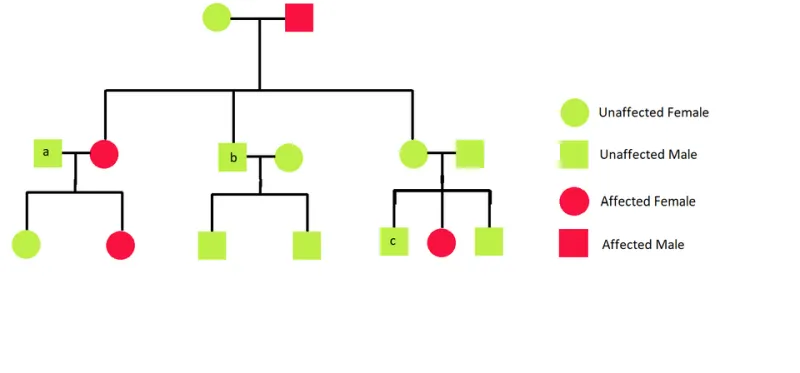
Understanding how G6PD deficiency moves through a family tree is one of the most powerful steps a patient can take toward protecting their loved ones. This guide breaks down X-linked recessive inheritance in plain language, explains what carrier status really means for women, and offers concrete strategies for initiating family screening conversations in the US healthcare system.

Before the First Heartbeat: A G6PD-Positive Woman's Guide to Pregnancy Planning and Newborn Care

Before the First Heartbeat: A G6PD-Positive Woman's Guide to Pregnancy Planning and Newborn Care

For women living with G6PD deficiency, the journey toward motherhood carries a unique set of medical considerations that most obstetric providers are not fully equipped to address. From preconception counseling to newborn screening protocols, understanding how this enzyme disorder intersects with reproductive health is essential. This guide brings together clinical insight and patient experience to help G6PD-positive women advocate for themselves and their babies at every stage.

Screened or Overlooked? The Uneven State of G6PD Testing in America and How to Fight for Your Right to Know

Screened or Overlooked? The Uneven State of G6PD Testing in America and How to Fight for Your Right to Know

Millions of Americans carry a G6PD deficiency without ever receiving a diagnosis, largely because screening protocols remain fragmented and inconsistent across state lines and healthcare systems. Racial and ethnic disparities, insurance barriers, and a patchwork of newborn screening programs mean that many at-risk individuals fall through the cracks. This article examines why the testing gap persists and provides concrete steps patients can take to demand appropriate screening.

Waiting Too Long: How Systemic Gaps Delay G6PD Diagnosis and What Patients Can Do Right Now

Waiting Too Long: How Systemic Gaps Delay G6PD Diagnosis and What Patients Can Do Right Now

For many Americans living with G6PD deficiency, the path to an accurate diagnosis is neither swift nor straightforward. Fragmented screening protocols, limited provider education, and inequitable access to genetic testing conspire to leave patients—disproportionately those from communities of color—without answers for years. This investigation examines the structural barriers driving those delays and equips patients with actionable tools to advocate for faster, more accurate care.

Hashtags, Hematology, and Health Equity: How a New Generation Is Rewriting the G6PD Story

Hashtags, Hematology, and Health Equity: How a New Generation Is Rewriting the G6PD Story

Younger Americans living with G6PD deficiency are refusing to remain passive recipients of care — and the tools they are using to take charge are as varied as they are powerful. From TikTok health threads to direct-to-consumer genetic testing, Gen Z and Millennials are building a new model of rare disease literacy that is reshaping how G6PD deficiency is understood, discussed, and managed across the country. This is not just a generational shift in attitude — it is a structural transformation in